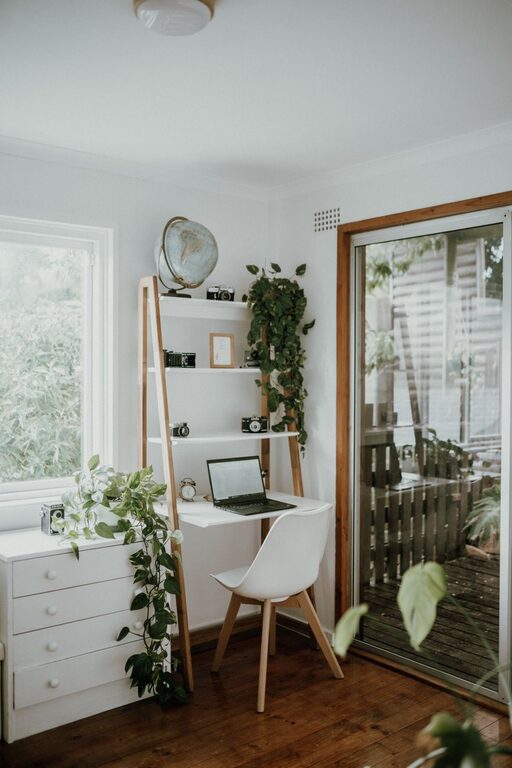
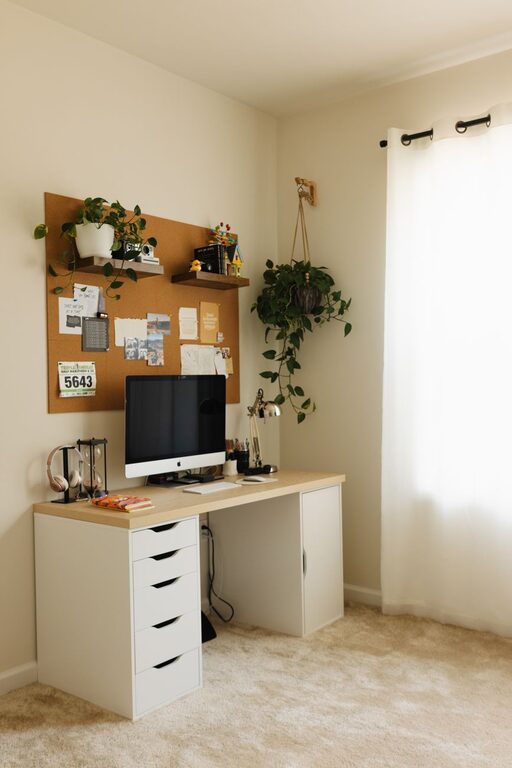
Creating a home office that feels both cozy and productive can greatly enhance your work-from-home experience. Whether you’re telecommuting full-time or need a dedicated space for occasional tasks, designing a spot that blends comfort with functionality is key. In this post, we’ll explore useful tips to help you create a home office that encourages focus and well-being.
1. Choose the Right Location
The first step is selecting the best spot in your home for your office space. Ideally, look for a quiet area with minimal distractions. If possible, choose a room with natural light—this can boost your mood and energy throughout the workday. Avoid spaces near noisy appliances or heavy foot traffic to maintain concentration.
2. Invest in Ergonomic Furniture
Comfort is critical when spending hours at a desk. A good ergonomic chair that supports your back can prevent discomfort and fatigue. Pair it with a desk at the right height so your arms can rest naturally while typing or writing. Adjustable furniture options allow you to change positions, which helps reduce strain.
Key Furniture Tips:
– Use a supportive chair with lumbar support
– Opt for a desk that fits your space and needs
– Consider a standing desk or desk converter for variety
– Add a footrest if your feet don’t reach the floor comfortably
3. Optimize Lighting
Lighting affects both your ability to see clearly and your mood. Maximize natural light by placing your desk near a window, but avoid glare on your screen. Supplement daylight with layered lighting—consider a mix of overhead lights, desk lamps, and ambient lighting to reduce eye strain and create a warm atmosphere.
4. Organize and Declutter
A clutter-free environment helps minimize distractions and keeps your focus sharp. Use shelves, drawers, and organizers to keep supplies and documents neatly stored. Regularly clear your desk to maintain a clean workspace. Labeling storage boxes and folders can also make it easier to find what you need quickly.
Organization Ideas:
– Use cable management solutions to reduce cord clutter
– Keep everyday tools within arm’s reach
– Dedicate a spot for incoming and outgoing paperwork
– Incorporate decorative baskets or boxes for extra storage
5. Personalize Your Space
Adding personal touches makes your office feel inviting and comfortable. Display photos, artwork, or plants to bring life into the room. Plants not only improve appearance but can also enhance air quality and reduce stress. Choose cozy items like a throw blanket or cushion that reflect your style without creating clutter.
6. Focus on Technology and Connectivity
Ensure your workspace supports your work needs with reliable technology. Invest in a high-speed internet connection and keep your hardware up to date. Use a quality headset or speakers for calls and video meetings. Setting up an extra monitor may improve productivity by expanding your digital workspace.
7. Create Boundaries
Establishing clear boundaries between work and home life is important, especially when your office is inside your living space. Use physical dividers, like bookcases or screens, to separate the area visually. Set specific work hours and communicate them with family or roommates to minimize interruptions.
8. Maintain Proper Air Quality and Temperature
A comfortable environment helps you stay focused throughout the day. Good ventilation and a comfortable room temperature improve alertness and reduce fatigue. If your office gets stuffy, open windows regularly or use a fan or air purifier to keep fresh air circulating.
9. Incorporate Break and Movement Areas
If your space permits, add a small area to stretch, meditate, or relax briefly during breaks. Even a simple chair or mat can encourage movement and reduce the negative effects of sitting for long periods. Short breaks improve productivity and mental clarity.
10. Regularly Refresh Your Setup
Your needs and preferences might change over time, so periodically reassess your home office. Rearranging furniture, updating decor, or upgrading equipment can renew your motivation and keep the workspace feeling fresh.
—
Creating a cozy and productive home office takes thoughtful planning but pays off with increased comfort and efficiency. By focusing on the right location, ergonomic furniture, good lighting, organization, and personal touches, you can design a space that supports your work and well-being. Start small and make gradual changes to build a workspace tailored uniquely for you.