Creating a cozy and inviting home office is more important than ever as many of us spend a significant amount of time working from home. A well-designed workspace can improve focus, enhance creativity, and even boost your overall well-being. Whether you have a small corner or a dedicated room, there are plenty of ways to create a comfortable, inspiring home office. Here are some practical tips to help you design a space where you feel both relaxed and productive.
Choose the Right Location
Find a Quiet Spot
Ideally, your home office should be in a quiet area away from household noise and distractions. If possible, select a room with a door you can close to create a private environment. If you don’t have a separate room, consider using room dividers or screens to define your workspace.
Prioritize Natural Light
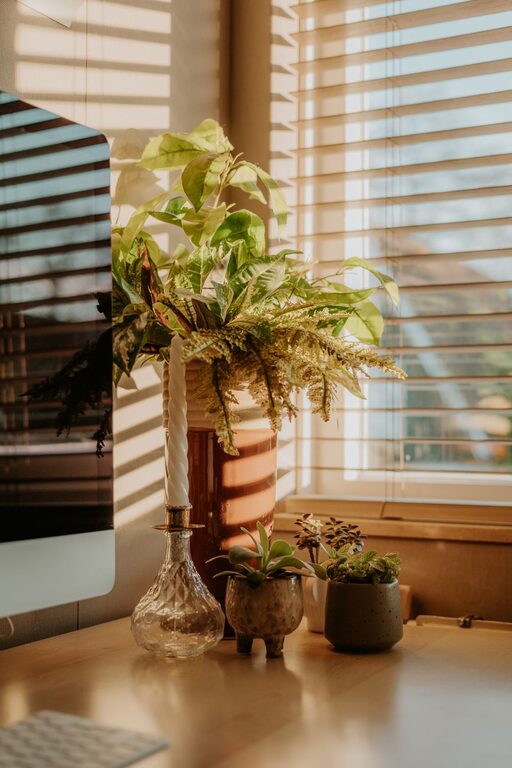
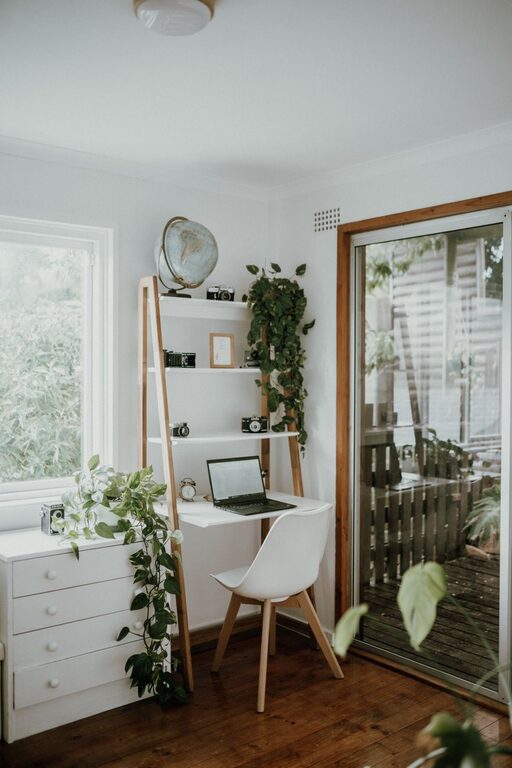
Natural light can brighten your mood and reduce eye strain. If you can, set up your desk near a window. Position your computer screen to avoid glare but still benefit from daylight. If natural light is limited, invest in quality lighting to mimic daylight and keep the space bright.
Invest in Comfortable Furniture
Ergonomic Chair
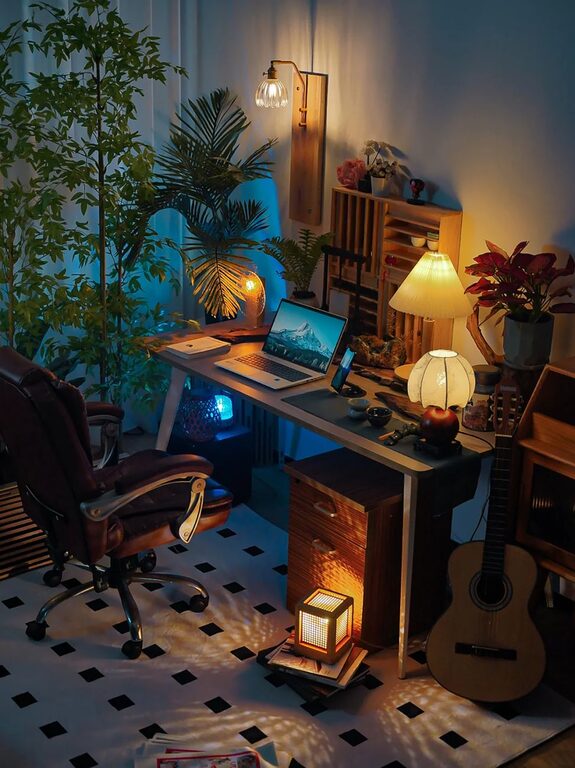
An ergonomic chair is essential for comfort during long hours of work. Look for adjustable features such as height, lumbar support, and armrests to suit your body type. Sitting comfortably helps prevent aches and maintains focus.
Functional Desk
Choose a desk that fits your needs — enough space for your computer, notebooks, and other tools. If you like to alternate between sitting and standing, consider a height-adjustable desk. A clutter-free surface makes for a cozier workspace.
Create a Warm and Inviting Atmosphere
Use Soft Textiles
Adding soft textiles like cushions, throws, or a rug can make your office feel warmer and more inviting. These elements add texture and color and can also reduce noise by softening echoes.
Choose Calming Colors
Colors affect mood. Soft blues, greens, or earth tones create a calm environment, while pops of warm colors like mustard or terracotta can add energy without overwhelming the space.
Include Personal Touches
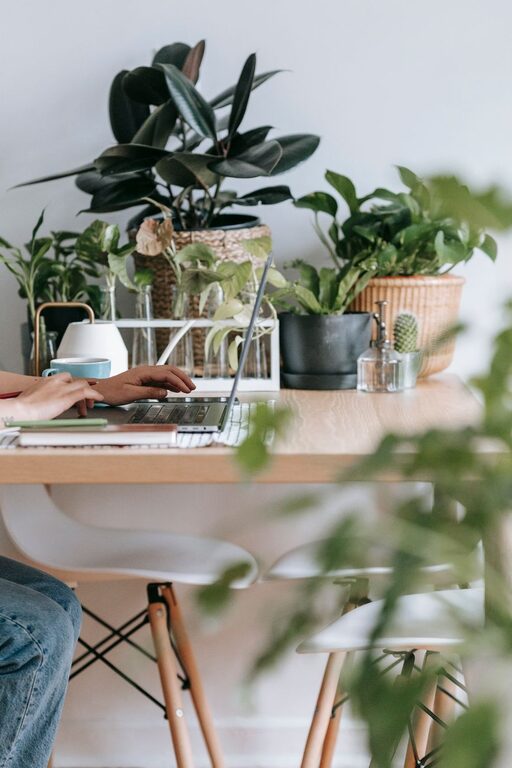
Display items that make you happy, such as photos, artwork, or plants. Personal touches make the space feel uniquely yours and can serve as inspiration throughout the day.
Incorporate Greenery
Indoor Plants
Plants improve air quality and add a natural element to your workspace. Low-maintenance plants like succulents, snake plants, or pothos thrive indoors. Place them on your desk, shelves, or windowsill for a refreshing touch.
Organize Thoughtfully
Smart Storage Solutions
Keep your desk tidy with storage solutions like drawers, shelves, or baskets. Organizing supplies and paperwork helps reduce clutter and stress, making your workspace more inviting.
Cable Management
Tidy up cables with clips, sleeves, or boxes to prevent a messy tangle. Clean cable management contributes to a neat, professional look.
Enhance Lighting
Layer Your Lighting
Good lighting combines ambient, task, and accent layers. Use overhead lights for general illumination, desk lamps to focus on work, and soft accent lights like fairy lights or a small lamp to add coziness.
Choose the Right Bulbs
Opt for LED bulbs with adjustable brightness and a color temperature close to natural daylight (around 5000K) for productivity. For a calming evening atmosphere, use warmer bulbs (2700K to 3000K).
Minimize Noise and Distractions
Soundproofing
If noise is an issue, try adding rugs, heavy curtains, or soundproof panels to absorb sound. White noise machines or noise-canceling headphones can also help you stay focused.
Digital Organization
Limit distractions on your computer and phone. Turn off non-essential notifications and use apps or browser extensions to block distracting websites during work hours.
Make Time for Breaks and Movement
Comfortable Seating Area
If space allows, create a small nook with a comfortable chair to take breaks, read, or brainstorm. Changing your seating position helps reduce fatigue.
Encourage Movement
Incorporate stretches, standing, or a short walk during the day. Movement keeps energy levels up and helps maintain creativity.
Final Thoughts
Your home office should be a balance between comfort and function. By focusing on the right location, furniture, lighting, and personal touches, you can design a space that invites productivity and relaxation alike. Small changes can make a big difference in how you feel about your workspace, so take the time to create an environment where you enjoy spending your workdays.