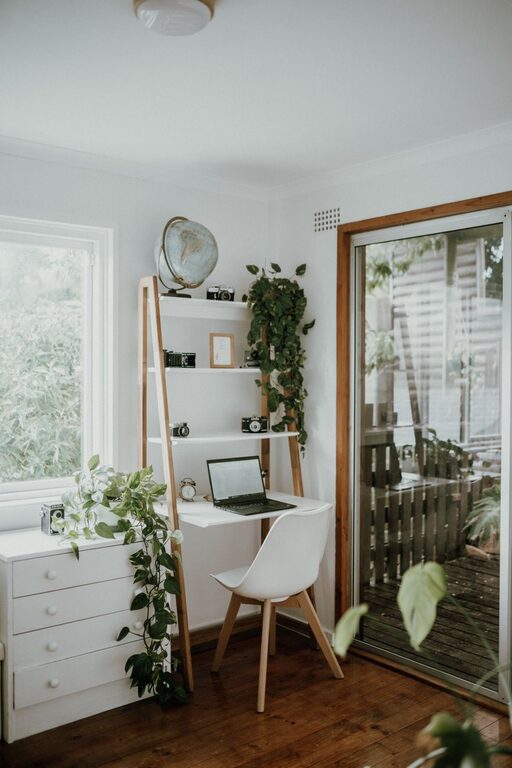
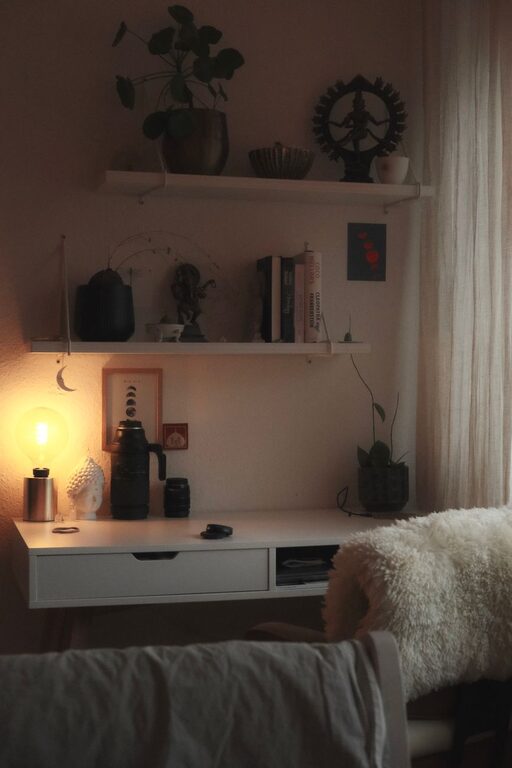
Creating a relaxing home workspace is essential for maintaining balance, productivity, and overall well-being during your workday. Whether you’re working remotely full-time or occasionally, setting up a comfortable and calming environment can help reduce stress and improve focus. In this post, we’ll explore practical tips for designing a workspace that promotes relaxation and efficiency.
Why a Relaxing Workspace Matters
Your workspace has a big impact on your mood and productivity. A cluttered, noisy, or uncomfortable space can lead to distractions, frustration, and burnout. On the other hand, a thoughtfully organized and soothing environment encourages concentration, promotes creativity, and supports mental health. By paying attention to your workspace setup, you invest in your ability to perform at your best.
Choose the Right Location
Find a Quiet Spot
Start by selecting a spot in your home that offers some peace and quiet. Avoid high-traffic areas where noise and interruptions are common. A spare room, a quiet corner, or even a nook near a window can become an ideal workspace.
Maximize Natural Light
Natural light has been shown to improve mood and energy levels. Position your desk near a window if possible. If natural light is limited, use soft, warm artificial lighting that mimics daylight to reduce eye strain.
Invest in Comfortable Furniture
Ergonomic Chair and Desk
Comfortable seating is key to creating a relaxing workspace. Choose an ergonomic chair that supports your back and encourages good posture. Pair it with a desk at the right height to keep your wrists and elbows comfortable while you work.
Keep Essentials Within Reach
Arrange your desk so that frequently used items, like your computer, notebooks, and pens, are easy to reach without straining. This small adjustment minimizes frustration and keeps your workflow smooth.
Declutter and Organize
Use Storage Solutions
Clutter can create visual noise and stress. Use shelves, drawers, and organizers to keep your workspace tidy. Label containers if needed to find things quickly.
Adopt Minimalism
Keep only the essentials on your desk. A clean surface gives your mind space to focus. Personalize with a few meaningful items, like a favorite photo or a small plant, but avoid overcrowding.
Incorporate Calming Elements
Add Greenery
Plants not only improve air quality but also add a touch of nature, which can reduce stress. Easy-to-care-for plants like succulents, spider plants, or pothos work well indoors.
Use Soft Colors
Choose calming colors for your workspace decor. Shades of blue, green, or neutral tones tend to create a peaceful atmosphere. Avoid overly bright or harsh colors that may cause distraction.
Manage Noise and Distractions
Use Noise-Canceling Tools
If you can’t avoid background noise, consider noise-canceling headphones or white noise machines. These can help block out distractions and keep you focused.
Set Boundaries
Establish clear boundaries with family or housemates during your work hours. Use signs or closed doors to signal that you shouldn’t be disturbed.
Personalize Your Workspace
Add Inspiring Decor
Incorporate artwork, motivational quotes, or objects that inspire you. These personal touches make your workspace inviting and positively influence your mindset.
Keep a Comfort Item Nearby
A cozy blanket, a scented candle, or a stress ball can offer comfort during long work sessions. Choose items that help you relax without causing distraction.
Create a Routine
Start and End Your Day Mindfully
Use your workspace to transition into and out of work mode. A short meditation, stretching, or simply tidying your desk before and after work can help separate professional time from personal time.
Take Regular Breaks
Plan short breaks to stand, move, or breathe deeply. A relaxing workspace supports healthy habits that prevent burnout.
Maintain Good Air Quality
Ventilate Your Space
Open windows when possible to allow fresh air circulation. Poor air quality can lead to fatigue and decreased concentration.
Consider Air Purifiers
If ventilation is limited, an air purifier can enhance air quality and contribute to a healthier, more comfortable workspace.
Keep Technology in Check
Manage Screen Time
Use anti-glare screen protectors and adjust your monitor brightness to reduce eye strain. Position your screen about an arm’s length away and slightly below eye level.
Organize Cords
Tangled cords add to clutter and can be frustrating. Use cable organizers or clips to keep wires tidy and out of the way.
—
Creating a relaxing home workspace doesn’t require a huge investment or a complete home makeover. With thoughtful choices and simple adjustments, you can create an environment that supports your productivity and well-being. Start with these tips and adapt your workspace to suit your personal needs. Over time, you’ll find that a calm and comfortable workspace helps you enjoy your workday even more.